
Developing a fever after travelling can feel worrying, especially if you have recently returned from a country where infections, mosquito-borne illnesses, or food and water risks are more common. In many cases, fever may be caused by a mild viral illness, dehydration, or general travel fatigue. However, it can also sometimes be a sign of a travel-related infection that needs prompt medical advice.
If you have a high temperature after returning from abroad, it is important not to ignore it. A professional travel clinic in Chingford can help assess your symptoms, review your travel history, and guide you on whether further medical support is needed.
Why Fever Can Happen After Travelling
Travel exposes your body to new environments, unfamiliar foods, different hygiene standards, long flights, crowded airports, insect bites, and climate changes. Any of these can contribute to illness after returning home.
A fever is your body’s response to infection or inflammation. After travel, it may be linked to something simple, such as a cold or stomach bug, but it may also be connected to illnesses picked up abroad.
Common causes can include:
- Viral infections
- Food poisoning or stomach infections
- Mosquito-borne infections
- Respiratory infections
- Travel-related diseases such as malaria or typhoid
If your fever starts after a recent trip, visiting a travel clinic in Chingford can help you understand whether your symptoms may be linked to your destination or activities abroad.
When Should You Worry About Fever After Travel?
You should take fever after travel seriously if it is high, persistent, or accompanied by other concerning symptoms. This is particularly important if you travelled to tropical or subtropical regions, stayed in rural areas, were bitten by mosquitoes, or ate food from places with poor hygiene standards.
You should seek advice urgently if you experience:
- A high fever that does not settle
- Chills, shaking, or night sweats
- Severe headache
- Confusion or extreme weakness
- Rash or unusual skin changes
- Persistent vomiting or diarrhoea
- Yellowing of the skin or eyes
- Breathing difficulty or chest pain
A travel clinic in Chingford can help identify whether your symptoms need urgent medical review or further investigation.
Fever After Visiting High-Risk Destinations
Some destinations carry higher risks of travel-related infections. This includes parts of Africa, Asia, South America, Central America, and some tropical regions where illnesses such as malaria, dengue, typhoid, hepatitis, or yellow fever may be present.
Fever after visiting these areas should never be dismissed as ordinary tiredness or jet lag. Some infections can appear days or even weeks after returning home.
If you have recently travelled to a higher-risk destination and now have a fever, a travel clinic in Chingford can help review your travel history and advise whether you need further medical assessment.
Could Fever After Travel Be Malaria?
Malaria is one of the most important conditions to consider when someone develops a fever after travelling to a malaria-risk area. It is spread by mosquito bites and can become serious if not treated quickly.
Symptoms of malaria may include:
- Fever
- Chills and sweating
- Headache
- Muscle aches
- Fatigue
- Nausea or vomiting
Malaria symptoms can develop after returning home, sometimes days or weeks later. If you travelled to a malaria-risk area and develop a fever, you should seek urgent medical advice.
A travel clinic in Chingford can help advise on malaria risk before travel and guide you on what to do if symptoms appear after your trip.
Dengue Fever and Other Mosquito-Borne Illnesses
Dengue fever is another mosquito-borne illness that may cause fever after travel. It is found in many tropical and subtropical countries and can cause sudden high fever, severe headache, joint pain, muscle pain, rash, and extreme tiredness.
Other mosquito-borne infections may also cause fever and flu-like symptoms. Because these illnesses can look similar at first, professional advice is important if you feel unwell after travel.
If you had multiple mosquito bites during your trip and later develop a fever, speaking to a travel clinic in Chingford can help you understand whether further medical support may be needed.
Fever with Stomach Symptoms After Travel
Fever combined with diarrhoea, vomiting, stomach cramps, or dehydration may suggest a stomach infection or food-related illness. This can happen after eating contaminated food, drinking unsafe water, or being exposed to poor hygiene conditions.
Mild symptoms may improve with rest and fluids, but some cases require medical advice, especially if symptoms are severe or persistent.
Seek advice if you have:
- Blood in your stool
- Severe abdominal pain
- Signs of dehydration
- Ongoing vomiting
- Fever lasting more than a short period
A travel clinic in Chingford can help assess whether your symptoms may be travel-related and whether further treatment or referral is needed.
Fever with Rash After Travel
A rash with fever after travel can be important, especially if you have visited areas where mosquito-borne or viral illnesses are common. Rashes may also occur due to allergic reactions, insect bites, heat rash, or skin infections.
You should seek medical advice if the rash is spreading, painful, accompanied by fever, or linked to insect bites that have become red, swollen, or warm.
A travel clinic in Chingford can help review your symptoms and travel history to decide whether further medical care is required.
Fever After Travel and Respiratory Symptoms
Fever with cough, sore throat, shortness of breath, or chest discomfort may be linked to a respiratory infection picked up during travel. Airports, planes, hotels, public transport, and crowded tourist areas can increase exposure to viruses and bacteria.
Most mild respiratory infections improve with rest, fluids, and symptom management. However, breathing difficulty, chest pain, persistent fever, or worsening symptoms should be assessed promptly.
If your symptoms began soon after returning from abroad, a travel clinic in Chingford can help guide you on whether your illness may be travel-related and what steps to take next.
What Information Should You Share with a Healthcare Professional?
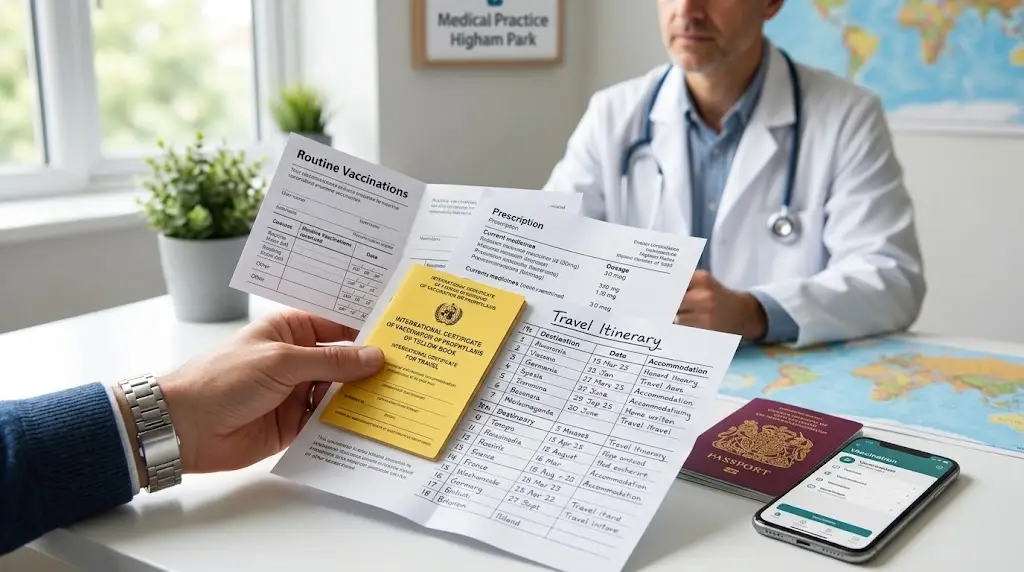
If you seek advice for fever after travel, always mention your recent travel history. This can make a major difference in identifying possible causes.
Useful information includes:
- Which countries you visited
- Dates of travel and return
- Whether you visited rural or high-risk areas
- Any mosquito or insect bites
- Food or water exposures
- Animal contact
- Whether you had travel vaccines
- Whether you took malaria prevention tablets
- When your symptoms started
A travel clinic in Chingford can use this information to assess your risk and guide the next steps more accurately.
What Should You Do First If You Develop a Fever After Travel?
If you develop a fever after travelling, avoid ignoring it or assuming it will pass without considering your travel history. Start by monitoring your temperature, drinking fluids, resting, and noting any additional symptoms.
You should seek advice promptly if the fever is high, persistent, worsening, or linked to symptoms such as rash, diarrhoea, vomiting, confusion, severe weakness, or breathing problems.
A travel clinic in Chingford can help you decide whether you need pharmacy advice, GP assessment, urgent care, or further tests.
How Pre-Travel Advice Can Reduce Future Risk
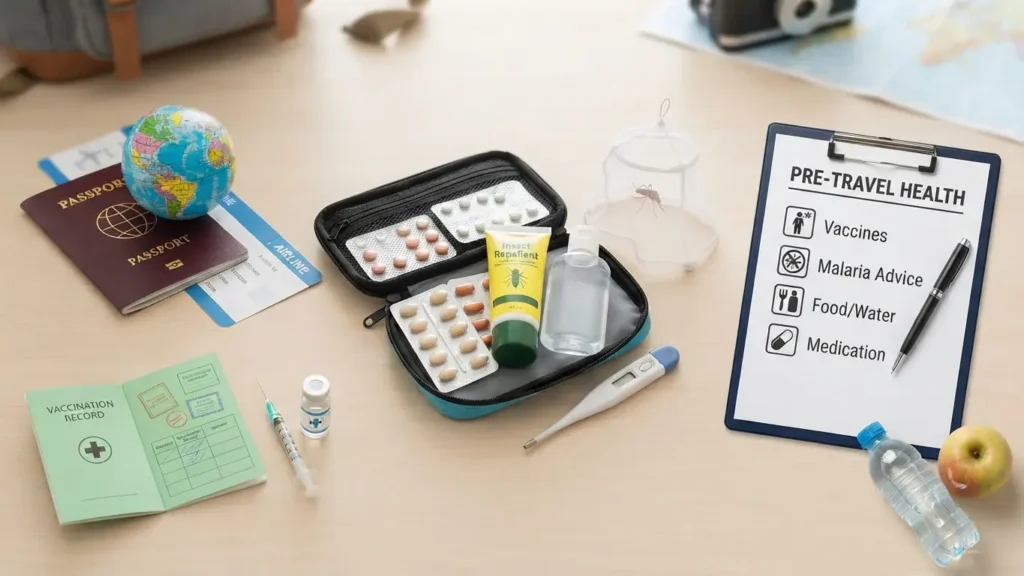
The best way to reduce the risk of travel-related illness is to prepare before you go. A travel health consultation can help identify destination-specific risks and recommend suitable vaccinations, malaria prevention, food and water advice, and insect bite protection.
This is especially important if you are travelling to areas where infectious diseases are more common or where vaccination proof may be required.
A travel clinic in Chingford can provide tailored advice before travel to reduce your risk of becoming unwell abroad or after returning home.
When to Visit a Travel Clinic in Chingford
You should consider visiting a travel clinic if you feel unwell after travelling and are unsure whether your symptoms are linked to your trip. This is especially important if you developed fever after visiting a high-risk destination, were bitten by mosquitoes, or did not receive travel vaccines before departure.
Mount Pharmacy provides travel health advice and support for patients in Chingford, Higham Park, E4, and surrounding areas. Our team can help you understand your symptoms and guide you towards the right next step.
Travel Health Guides & Advice
At Mount Pharmacy, we provide clear travel health guidance to help patients prepare before travelling and respond appropriately if they feel unwell after returning home.
Our travel health advice covers:
- Travel vaccinations
- Malaria prevention
- Yellow fever vaccination guidance
- Food and water safety
- Insect bite prevention
- Post-travel symptoms and when to seek help
Frequently Asked Questions (FAQs)
Is fever after travel serious?
Fever after travel can sometimes be caused by a mild illness, but it should be taken seriously, especially after visiting tropical or high-risk destinations.
When should I seek help for fever after travelling?
You should seek help if the fever is high, persistent, worsening, or accompanied by symptoms such as rash, severe headache, vomiting, diarrhoea, confusion, or breathing difficulty.
Could fever after travel be malaria?
Yes, if you travelled to a malaria-risk area, fever could be a sign of malaria and should be assessed urgently.
Can food poisoning cause fever after travel?
Yes, contaminated food or water can cause stomach infections that may lead to fever, diarrhoea, vomiting, and stomach cramps.
What should I tell a healthcare professional?
You should explain where you travelled, when you returned, whether you had insect bites, what you ate or drank, and whether you had vaccines or malaria prevention.
Can a travel clinic help before I travel?
Yes, a travel clinic can provide destination-specific advice, vaccinations, malaria prevention guidance, and travel safety recommendations before your trip.